





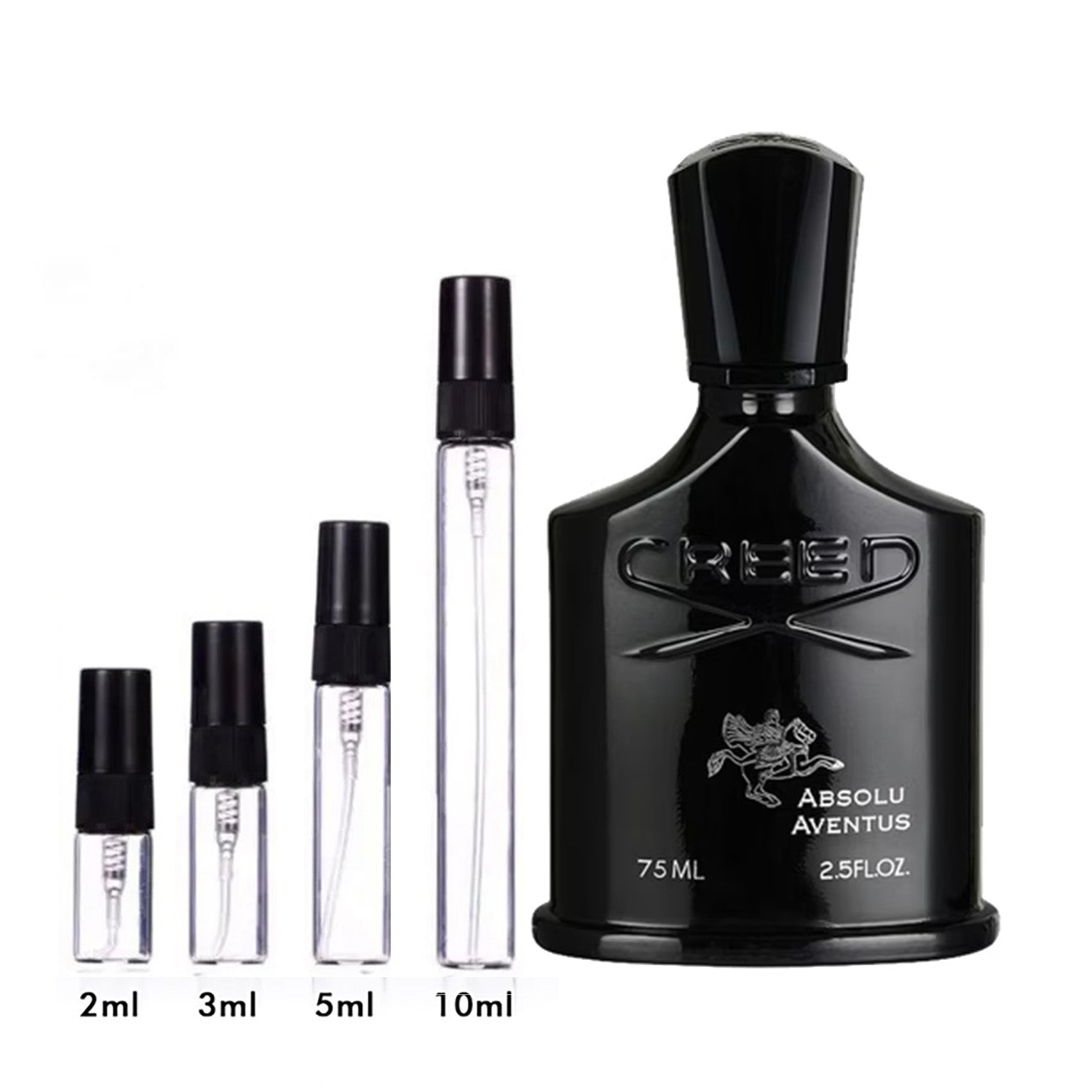











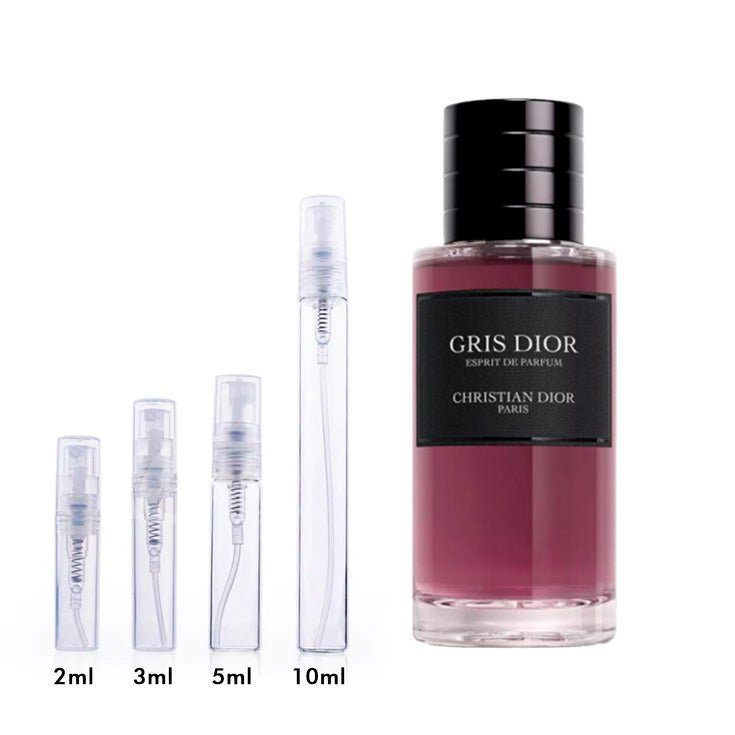
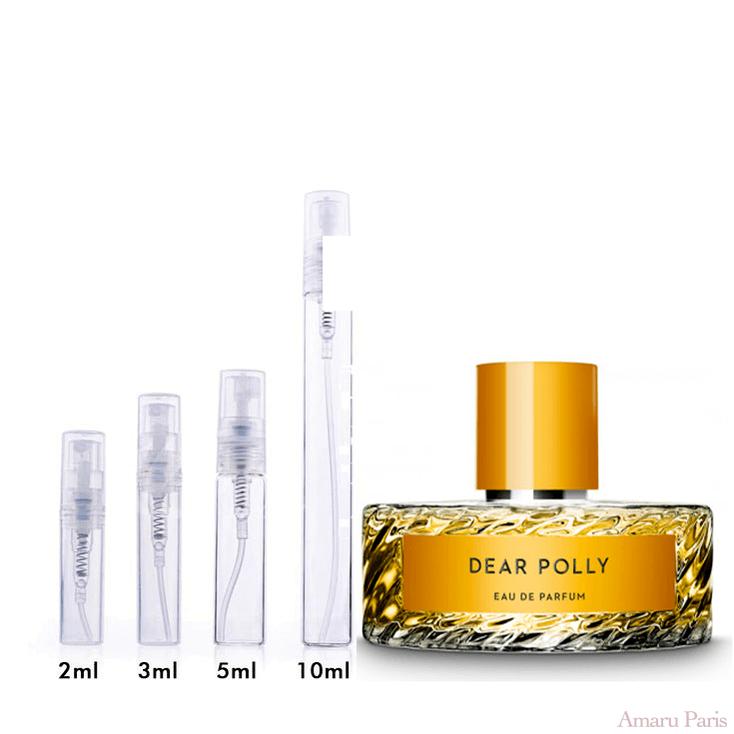

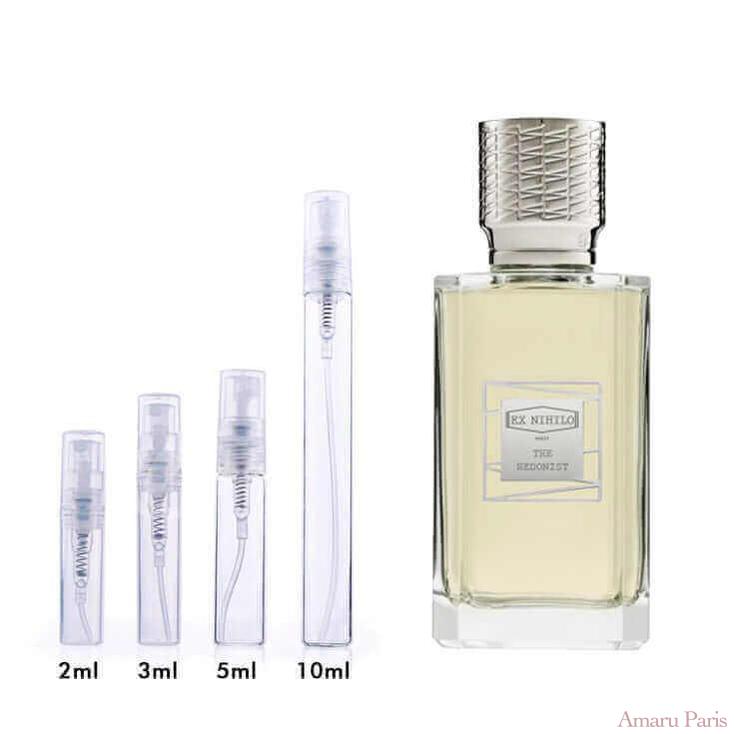
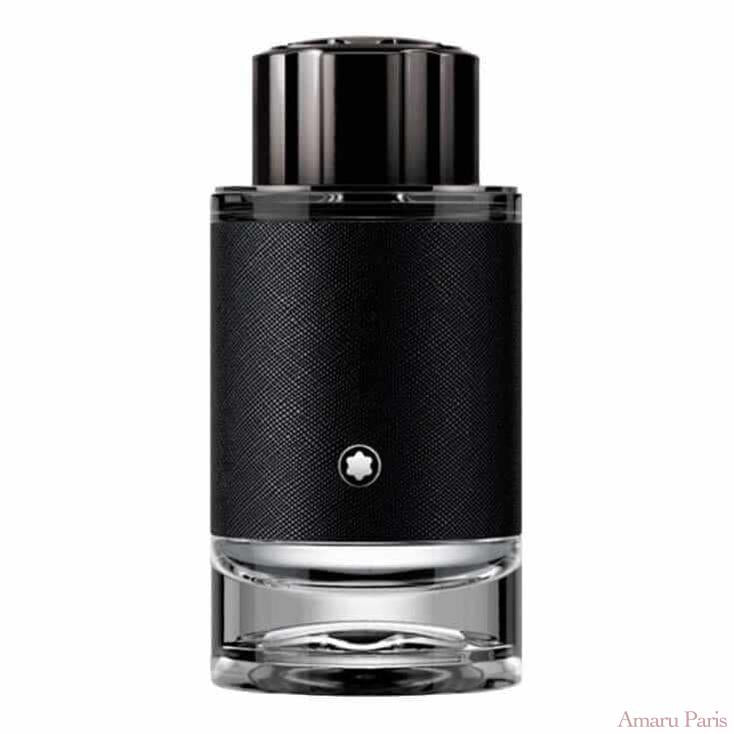
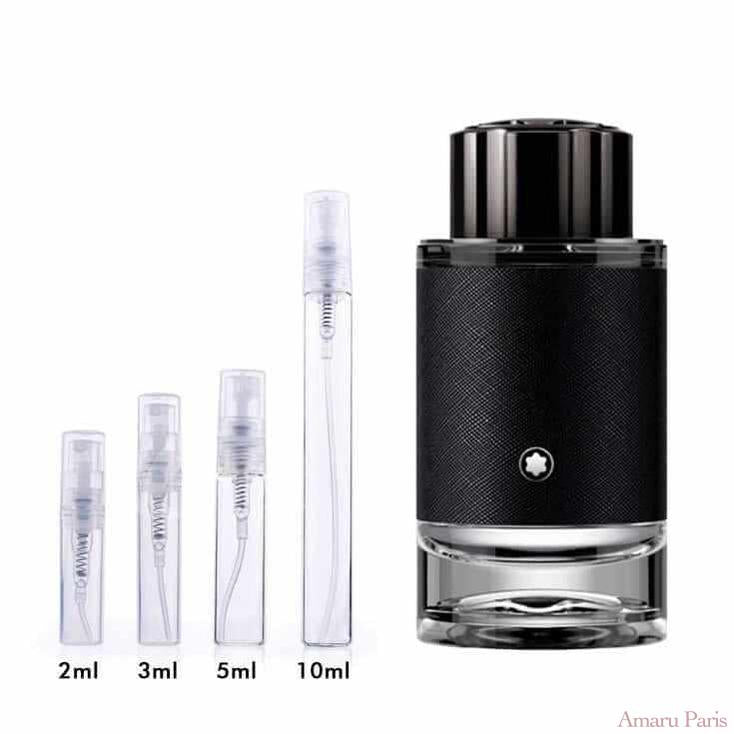
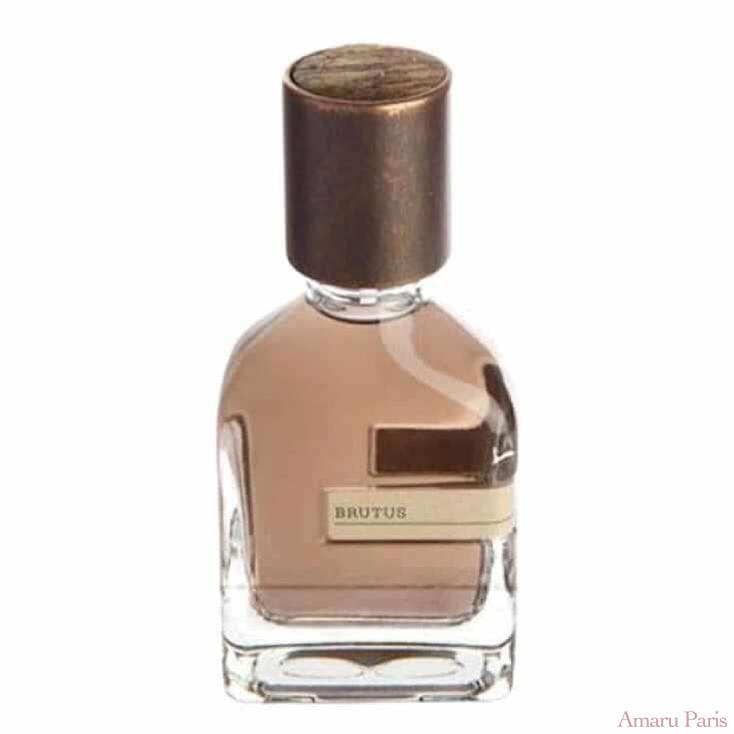
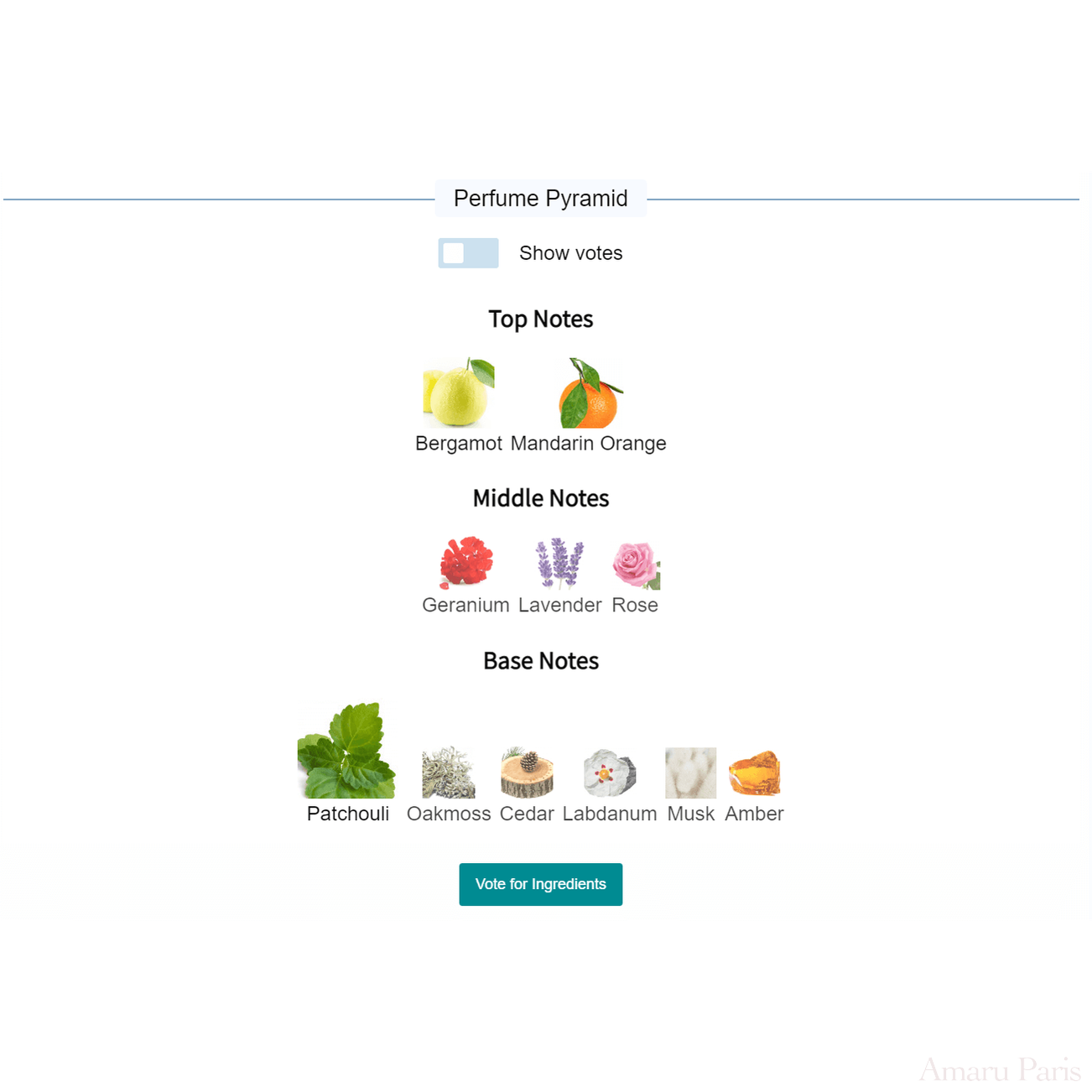

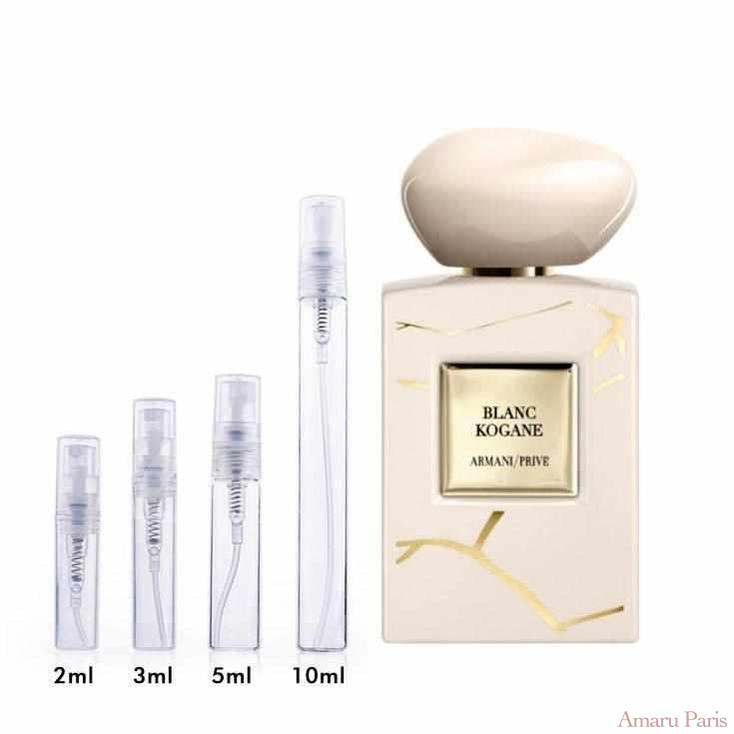




There's something immediately recognizable about chypre fragrances: a deep elegance, a presence that doesn't try to seduce but seduces nonetheless. Built around a foundational accord of bergamot, labdanum, jasmine, moss, and patchouli, they have transcended decades without ever going out of style. Timeless, assertive, worn by women and men alike who embrace their trail, chypres don't go unnoticed. At Amaru Paris, our samples allow you to explore them at your own pace, on your skin, before deciding.
What is a chypre fragrance?
Chypre was born in 1917 when François Coty was inspired by the island of Cyprus to create a perfume that would define an entire family. The basic accord is simple in its structure, masterful in its effect: the freshness of bergamot, the resinous warmth of labdanum, the earthy depth of oakmoss. For decades, it was this balance that made chypre recognizable among thousands, impossible to imitate.
IFRA regulations subsequently restricted the use of oakmoss, forcing perfumers to reinvent the formula with patchouli, vetiver, or synthetic accords. This constraint paradoxically expanded the family: fruity, floral, leathery, green, contemporary chypres are more varied than ever. But all share the same signature: a structured architecture, remarkable longevity on the skin, and that slightly provocative elegance found nowhere else.
How to choose your chypre perfume sample?
Chypre is a family that requires a bit of exploration; it's truly understood only once worn on the skin, allowed to evolve for a few hours. The first question to ask yourself is which direction attracts you: a floral chypre, brighter and more feminine? A fruity chypre, more accessible and contemporary? A leathery chypre, darker and more assertive?
Undecided? Our quiz guides you in a few questions to the chypre fragrance you need.
The best chypre perfumes
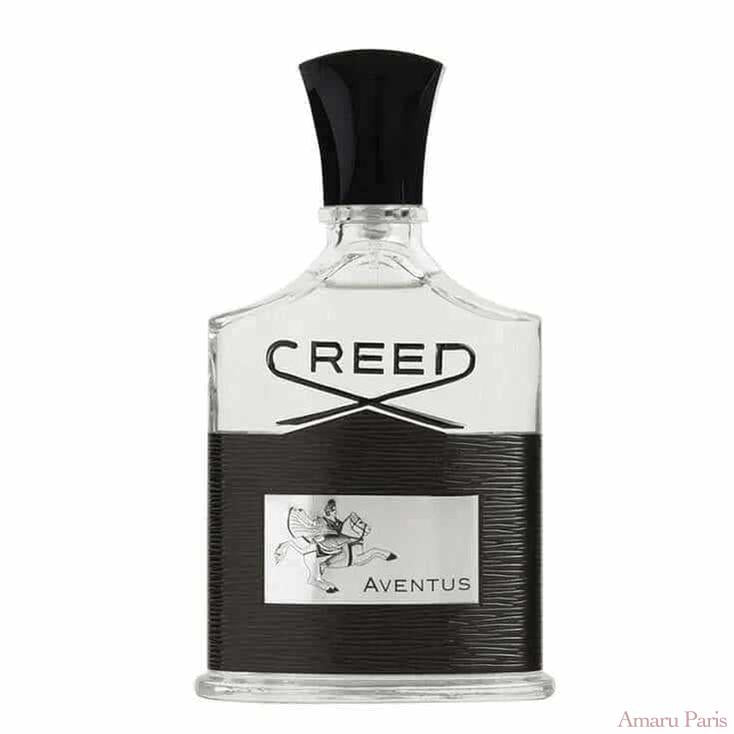
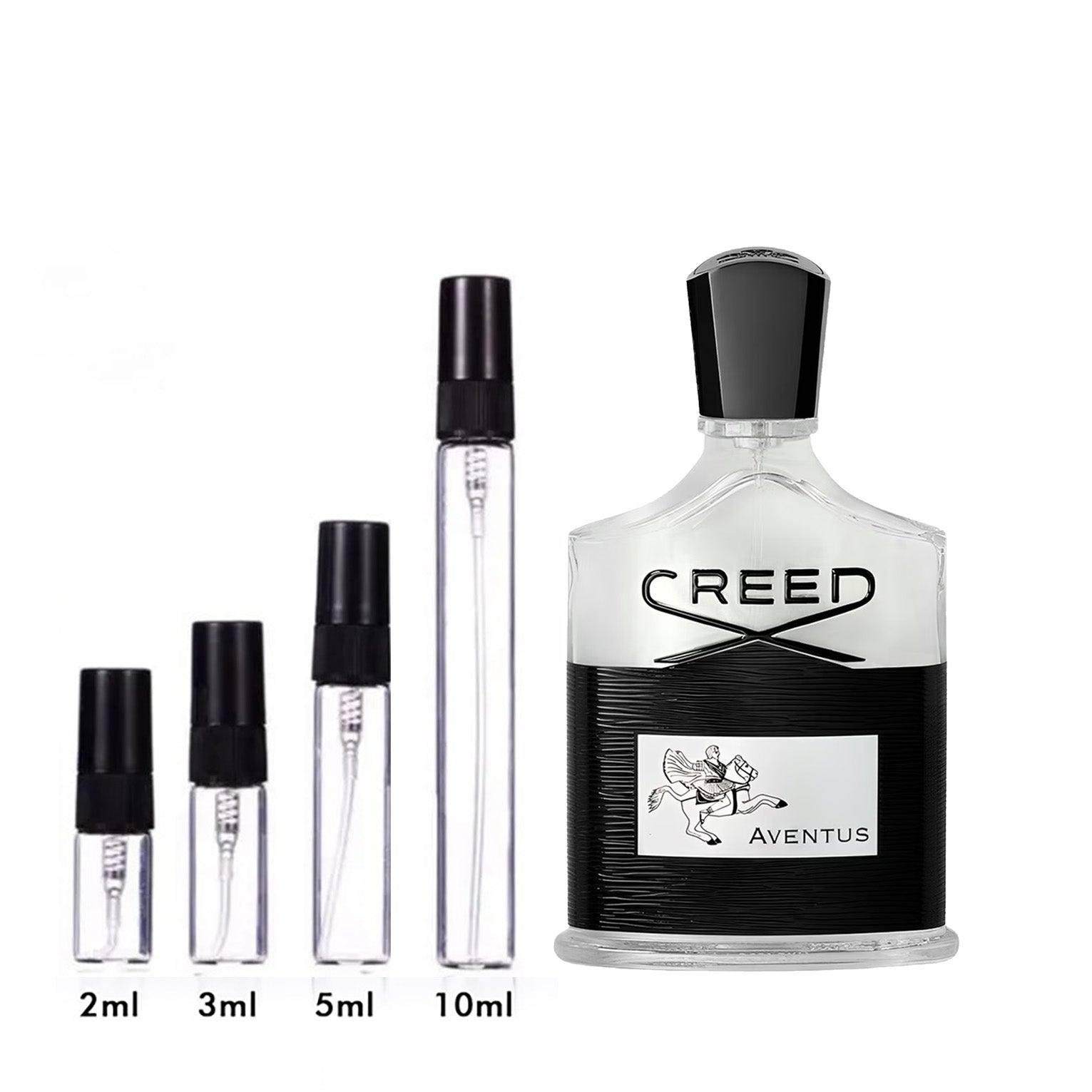
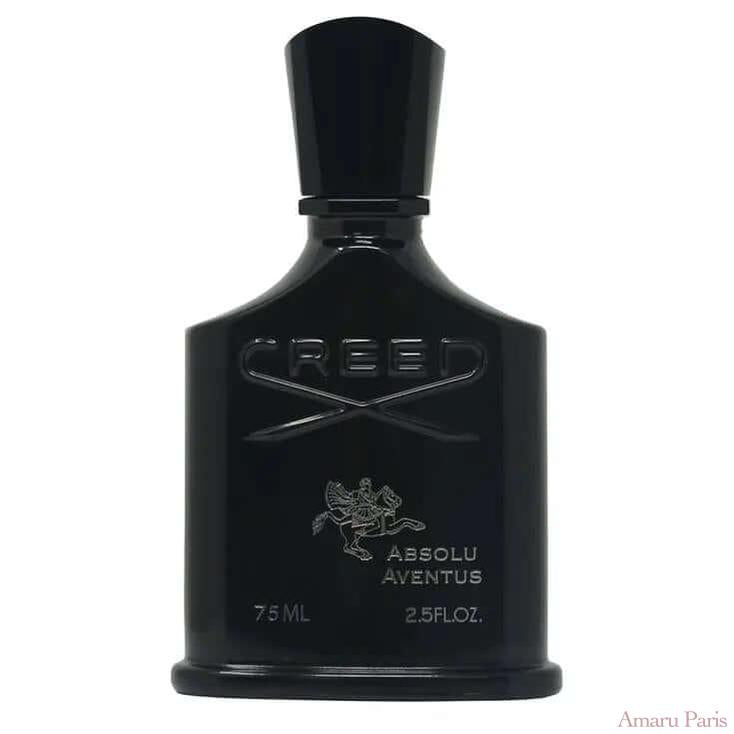
Aventus by Creed
Aventus is probably the most copied fruity chypre of the last twenty years, and for good reason. The pineapple in the top is immediate, almost insolent, but it's what happens next that explains everything: smoky birch, patchouli, and oakmoss build a base of rare depth for a seemingly accessible juice. It's a chypre that knows how to be fruity without losing its character. Exceptional longevity, assertive sillage, it has the ability to adapt differently to everyone's skin, making it a perfume you never tire of.
Bois d'Argent by Dior
It's not an easy fragrance to adopt on the first try, that's often said about Bois d'Argent, and it's true. Annick Menardo's iris is neither powdery nor retro: it's dark, almost mineral, set on a base of myrrh, leather, and resins that takes time to unfold. Those who give it that time will never leave it.
Cosmic Cloud by Louis Vuitton
Musk, blackcurrant, patchouli, labdanum, oakmoss – on paper, Cosmic Cloud is a chypre. On the skin, it's more like a cloud. Jacques Cavallier Belletrud has built something airy and soft, where the chypre base supports without ever being heavy. It is probably the least intimidating chypre out there and often the first one people truly notice.
Cœur Battant by Louis Vuitton
The pear in the opening is juicy, almost aquatic. Then jasmine and narcissus arrive, bright, very feminine. And that's where patchouli and oakmoss change everything; they give what could have been a simple fruity floral a depth and longevity that was unexpected. Cœur Battant is a chypre that doesn't announce itself as such, and that's exactly what makes it interesting.
When to wear a chypre perfume?
Chypre has long been perceived as a fragrance with character, reserved for special occasions or assertive personalities. This is partly true; its depth and sillage make it an ideal choice for evenings, important meetings, or moments when you want to leave a lasting impression. But contemporary versions have considerably broadened the spectrum: a fruity chypre wears very well daily, including at the office. The real rule is the season: chypres particularly flourish in autumn and winter, when their resinous warmth fully comes into its own. This is also why the sample format is useful: testing a chypre in real conditions, on your skin, in your daily life, remains the only honest way to know if it's for you.