




















Rose, jasmine, peony, iris, tuberose, lily of the valley—the floral family is the broadest, most diverse, and most poorly summarized of all perfumery. To say a perfume is "floral" tells you almost nothing: Frédéric Malle's Portrait of a Lady is floral, Maison Francis Kurkdjian's A La Rose is floral, and these two compositions have almost nothing in common. This is precisely what makes this family so fascinating to explore. Discover the best references in sample form!
What is a floral perfume?
The floral family encompasses all compositions whose heart is built around one or more flowers. It is the oldest family in perfumery and by far the most varied.
Several main directions can be distinguished:
-
The soliflore floral, which features a single flower pushed to its maximum expression, like the rose in MFK or the tuberose in Frédéric Malle.
-
The floral bouquet, which combines several flowers to create a complex accord.
-
The woody floral, which anchors flowers on a sandalwood, cedar, or patchouli base for added depth.
-
And the powdery floral, which shifts the composition towards iris and musk for something more discreet and intimate.
What they all share: an ability to evoke emotions and memories that few other families achieve. The flower is the most universal language in perfumery.
How to choose your perfume sample?
Hesitating? Our quiz guides you in a few questions towards the fragrances and olfactory families that truly suit you.
How to choose your perfume among florals?
The classic pitfall with florals is to test them on blotter paper and decide in thirty seconds. This is precisely the family where this works least well. A niche floral can seem sweet and commonplace upon opening, then reveal something much more complex once the top notes have dissipated. For example, the rose in Portrait of a Lady truly appears only after twenty minutes; the iris in Iris Poudré takes even longer.
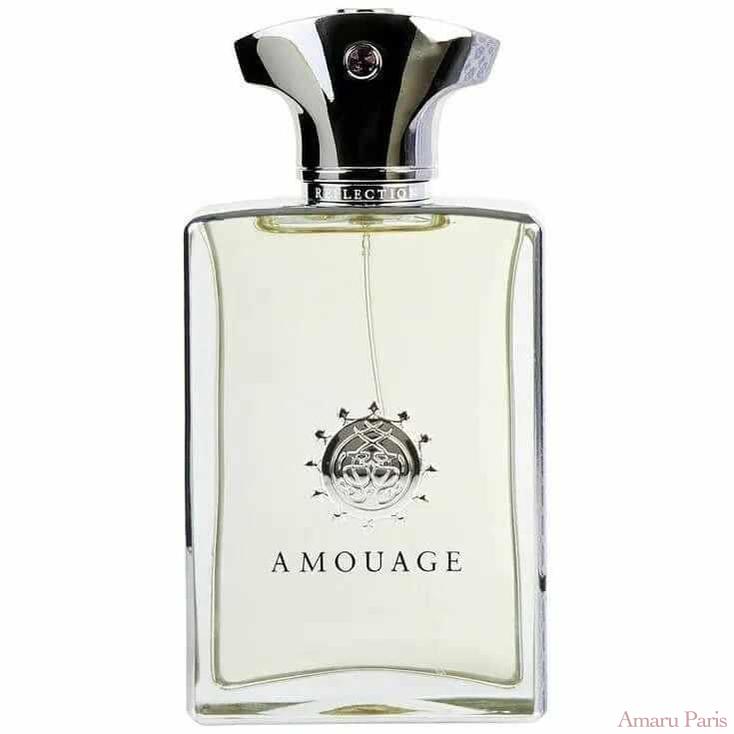
The best approach is to start by identifying what you are looking for in a floral. Something that stands out and leaves a sillage: Portrait of a Lady by Frédéric Malle. Something discreet that melts into the skin: A La Rose by Maison Francis Kurkdjian. Something powdery and dressed-up: Iris Poudré by Frédéric Malle. Or something dense and demanding: Lilac Love by Amouage.
Once you've identified this direction, order two or three samples and wear each one for an entire day. Not on the same day, not on both wrists at the same time. A floral needs space and time to show what it truly has to say.
Which perfume to choose with a floral rose note?
The rose is the most worked floral material in the history of perfumery and paradoxically one of the most difficult to get right. Too sweet, it becomes commonplace. Too green, it loses its warmth. Too isolated, it lacks depth. Great niche houses each have their vision of what rose can be.
A La Rose by Maison Francis Kurkdjian is the most honest rose soliflore in the catalog: May rose, Turkish rose, white musk. Kurkdjian treats the flower without artifice, no woody base to mask it, no spices to complexify it. It is the rose in its purest expression.
Portrait of a Lady by Frédéric Malle is the exact opposite: the rose here is carnal, dark, carried by incense and patchouli to something almost animalistic. Dominique Ropion built it to last, to make an impression. It is not a gentle rose; it is a rose that asserts itself.
Two visions of the same flower. Two radically different results. That's exactly why testing before buying is not an option with rose—it's a necessity.
Discover all our olfactory categories
Amber Woody Chypre
Leather Spicy Fruity
Floral Musky Oriental
Powdery Sweet Marine