



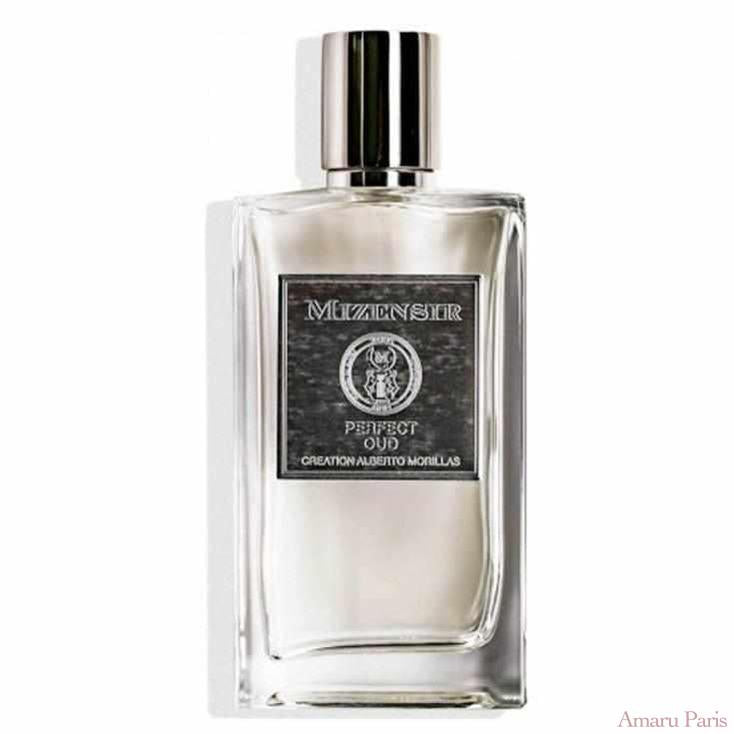
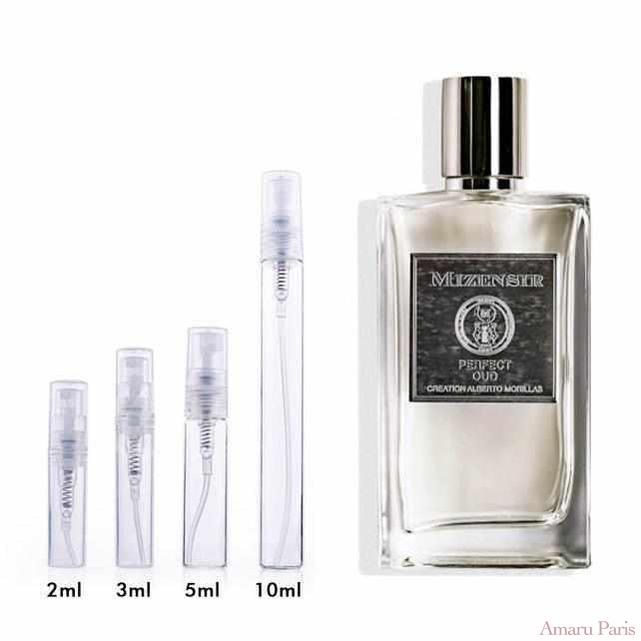
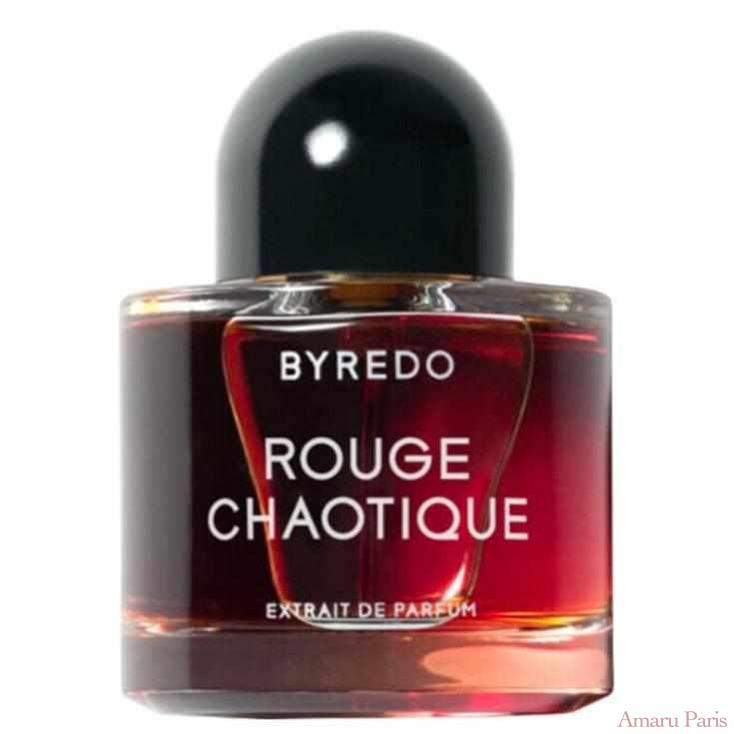
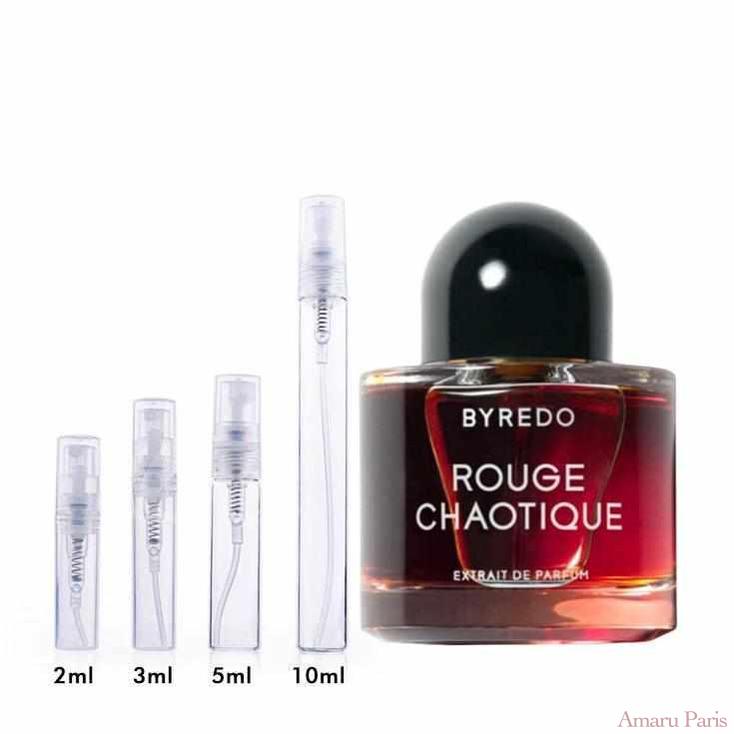


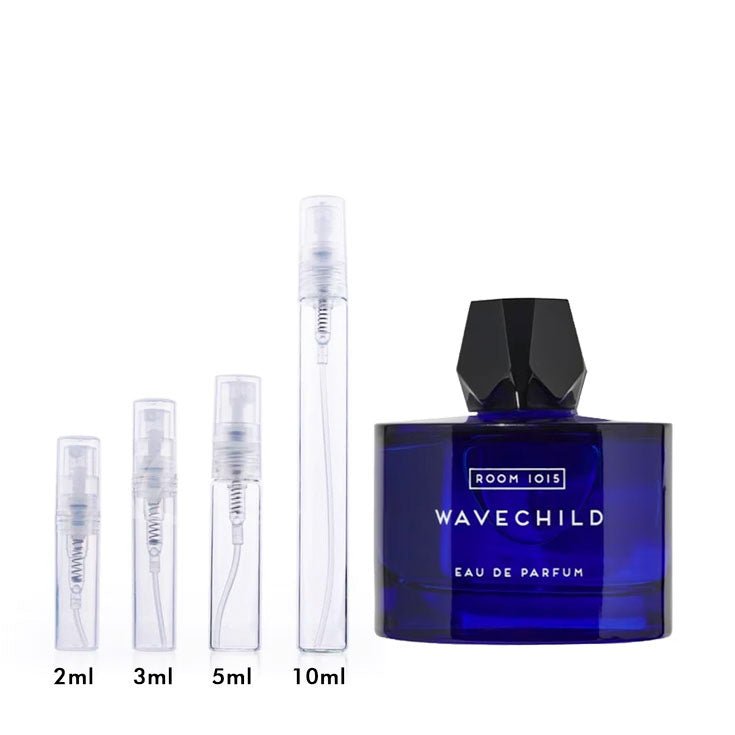



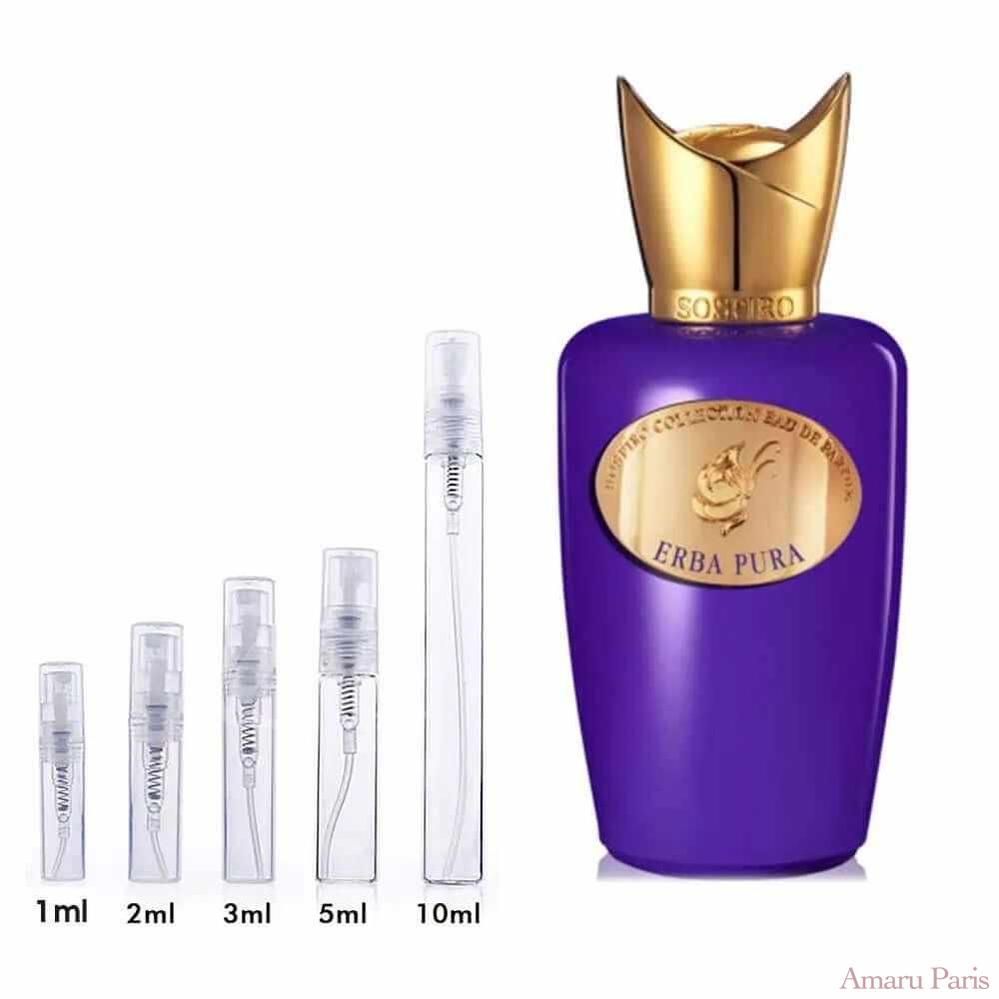


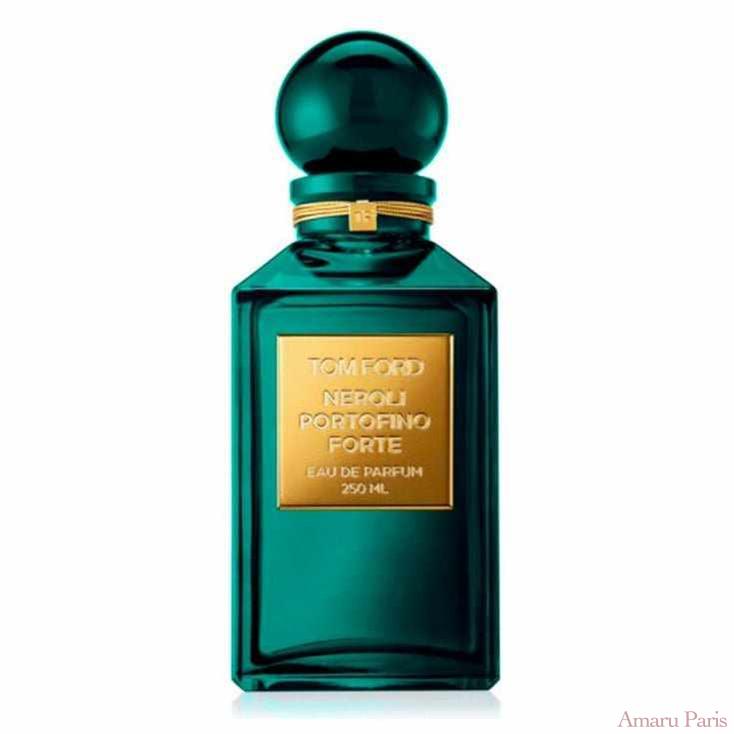
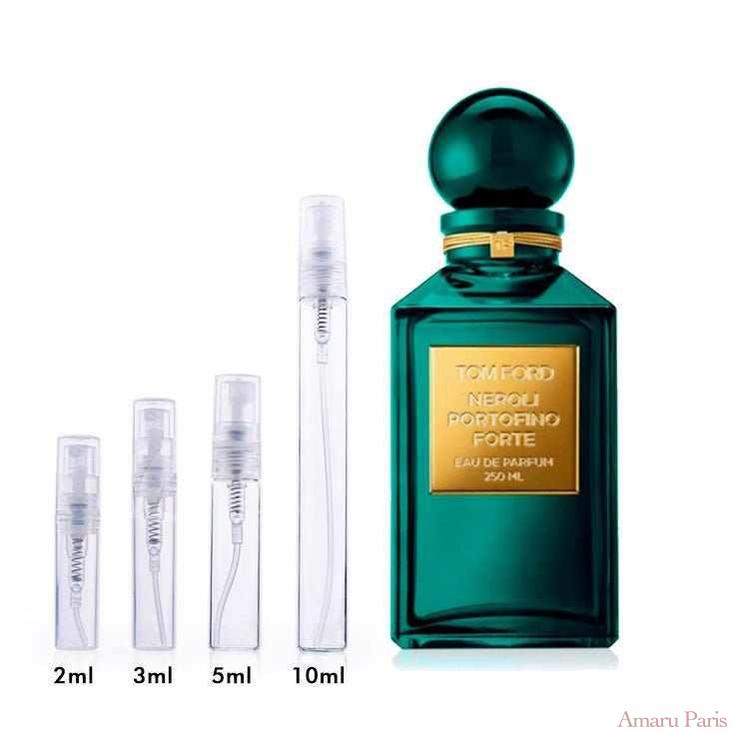

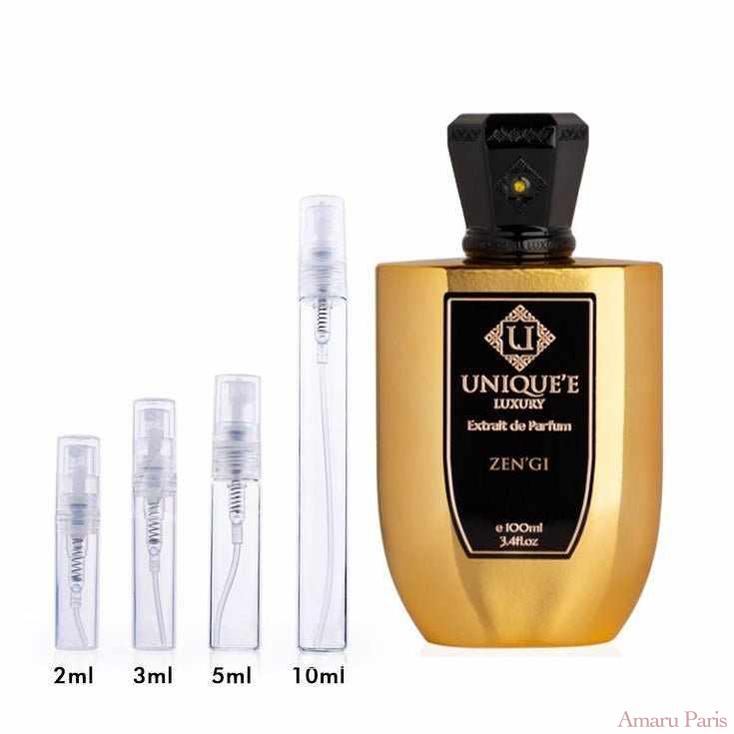
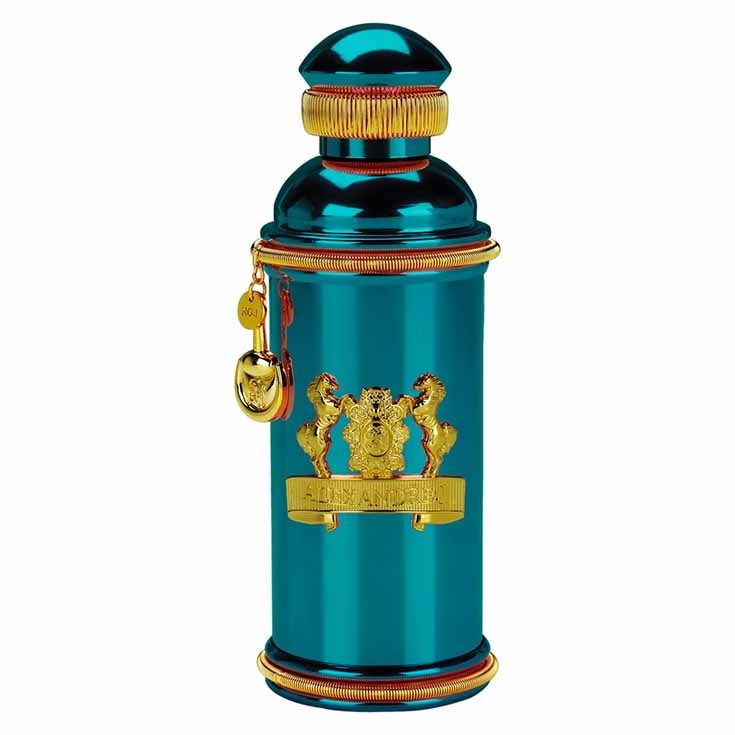
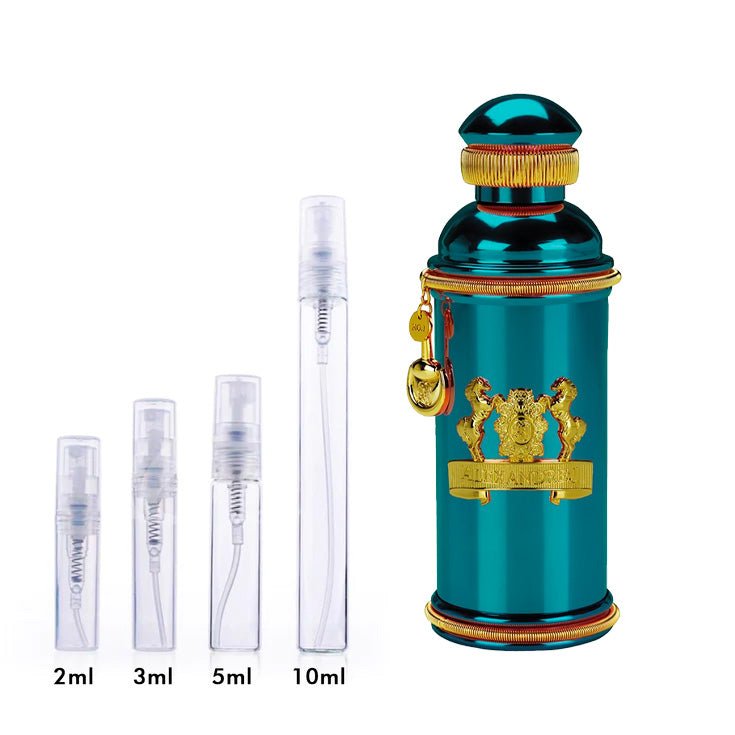
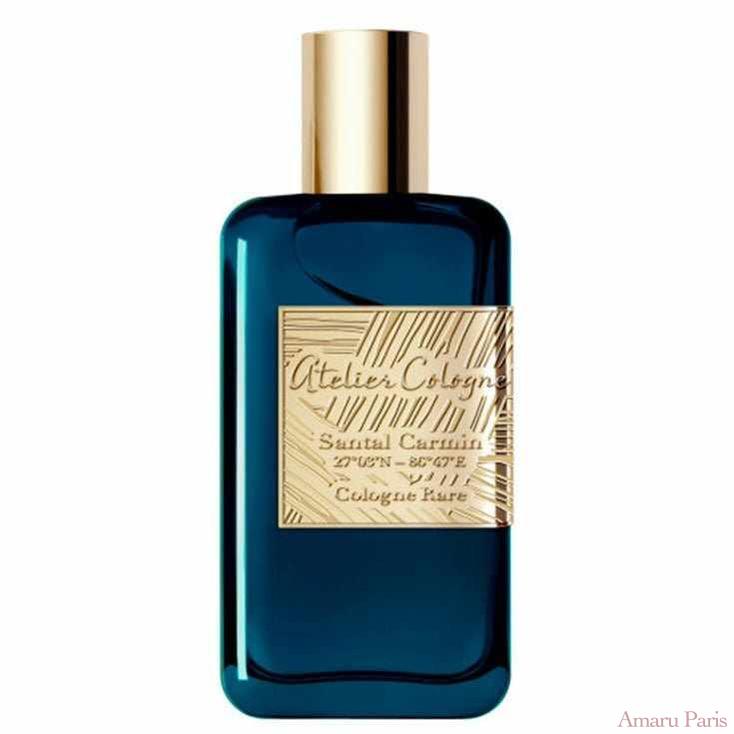
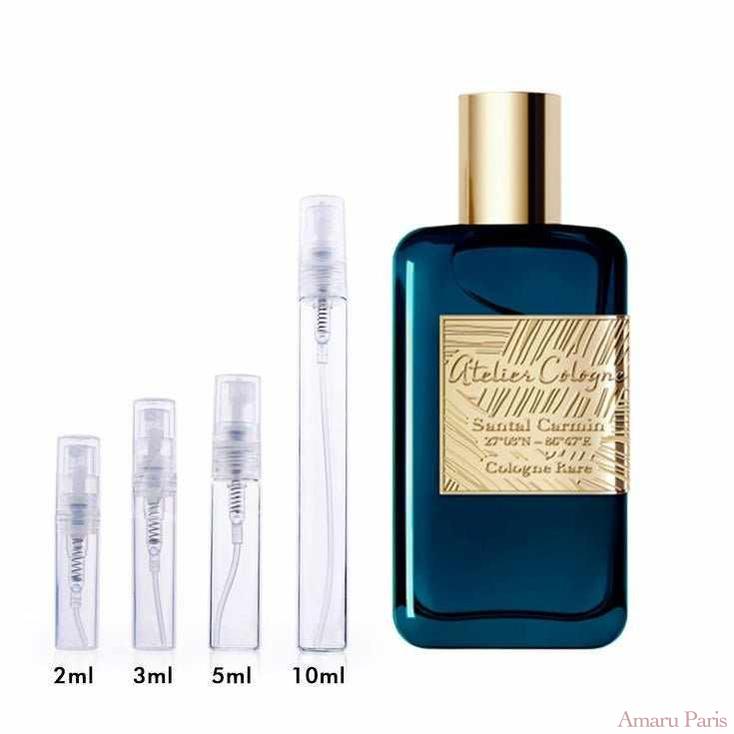
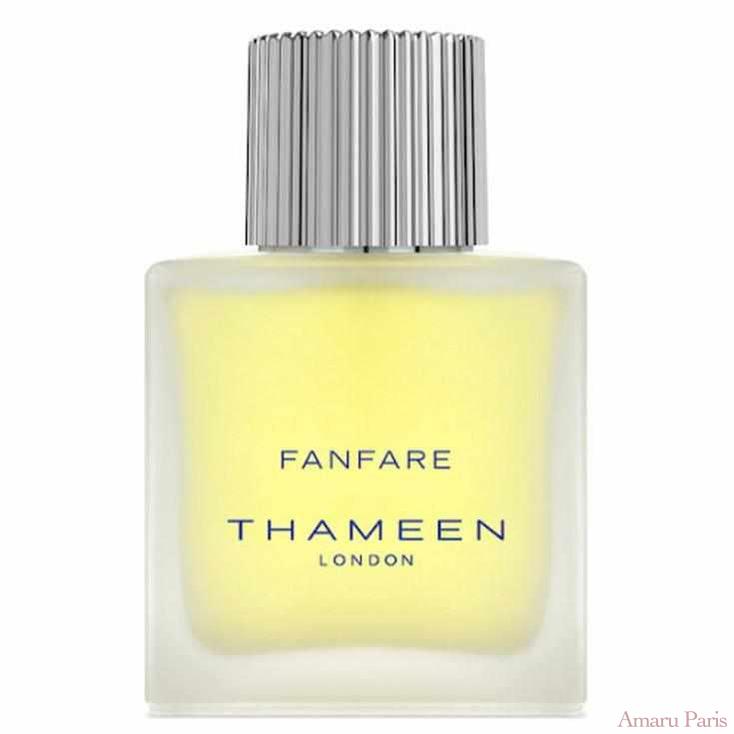
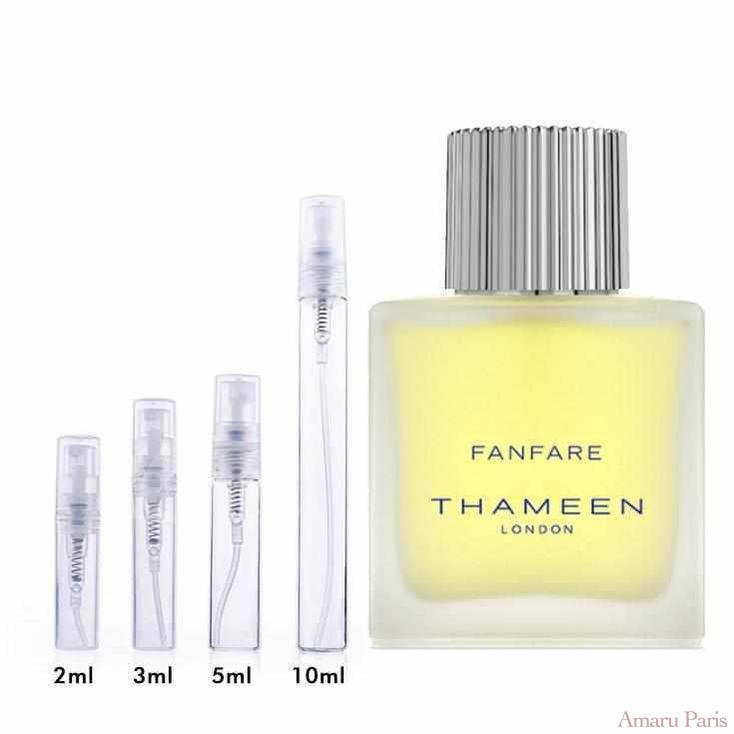
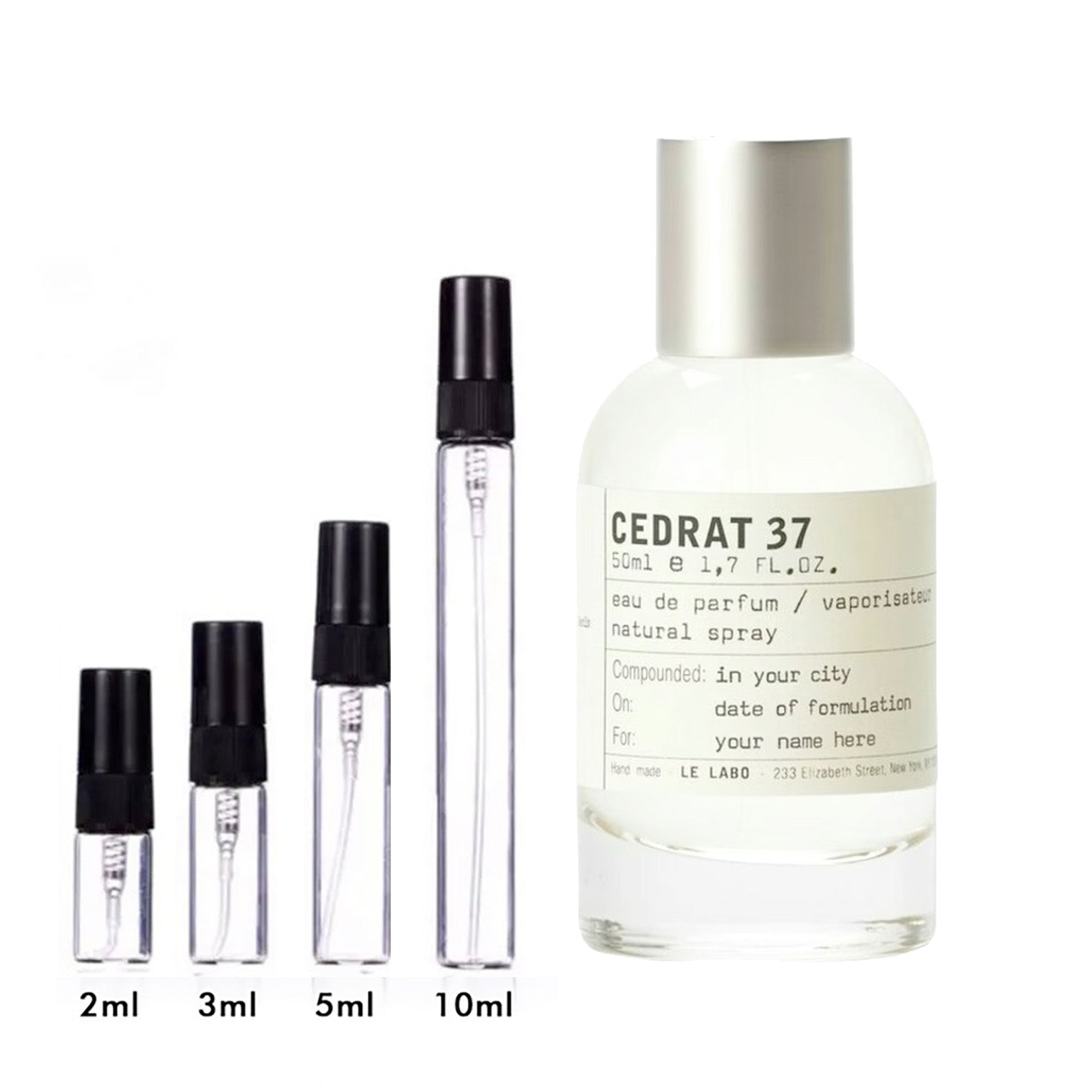


Aquatic is the only major olfactory family that was born in the mass market. Cool Water in 1988, L'Eau d'Issey in 1992, Acqua di Giò in 1996 – it was mainstream perfumery that set the codes, with calone, this synthetic molecule that smells of watermelon and the seaside in the wind. For twenty years, aquatic meant clean freshness, discreet sillage, and mass consumption. Niche arrived on this territory with a different question: what if water smelled of something else? Mineral and cold like wet rock, iodized and animalic like beached ambergris, or salty and dry like the air after evaporation. At Amaru Paris, samples are available to discover this version.
What niche brings to the aquatic family
Mainstream aquatics built their reputation on a simple idea: smelling of the sea, freshness, summer. It's a clear, reassuring promise, and that's precisely why it has been reproduced endlessly.
Niche houses start from a different place. They are interested in what water can have that is mineral, arid, sometimes almost hostile – a rock after the rain, salt on the skin after swimming, iodized air without the sweetness. Not the sea as a holiday setting, but the sea as raw material. It is this difference in intention that changes everything.
How to explore niche aquatic perfumes?
The first reflex is often to look for something fresh, discreet, easy to wear. This is the conditioning left by years of mainstream aquatics, and it's best to let go of it before starting.
Ask yourself a simpler question: are you looking for something that evokes the sea from afar, luminous, light, summery, or something more raw, more physical, reminiscent of cold water, dried salt on the skin, wet stone?
These are two very different territories in niche, and both exist. Order two or three samples, wear each one for a whole day. Niche aquatics take time to reveal themselves; what they have to say, they rarely say in the first hour.